






News
Safety Rules for Concrete Pump Trucks
Jun. 29, 2026
1. Equipment Positioning and Setup
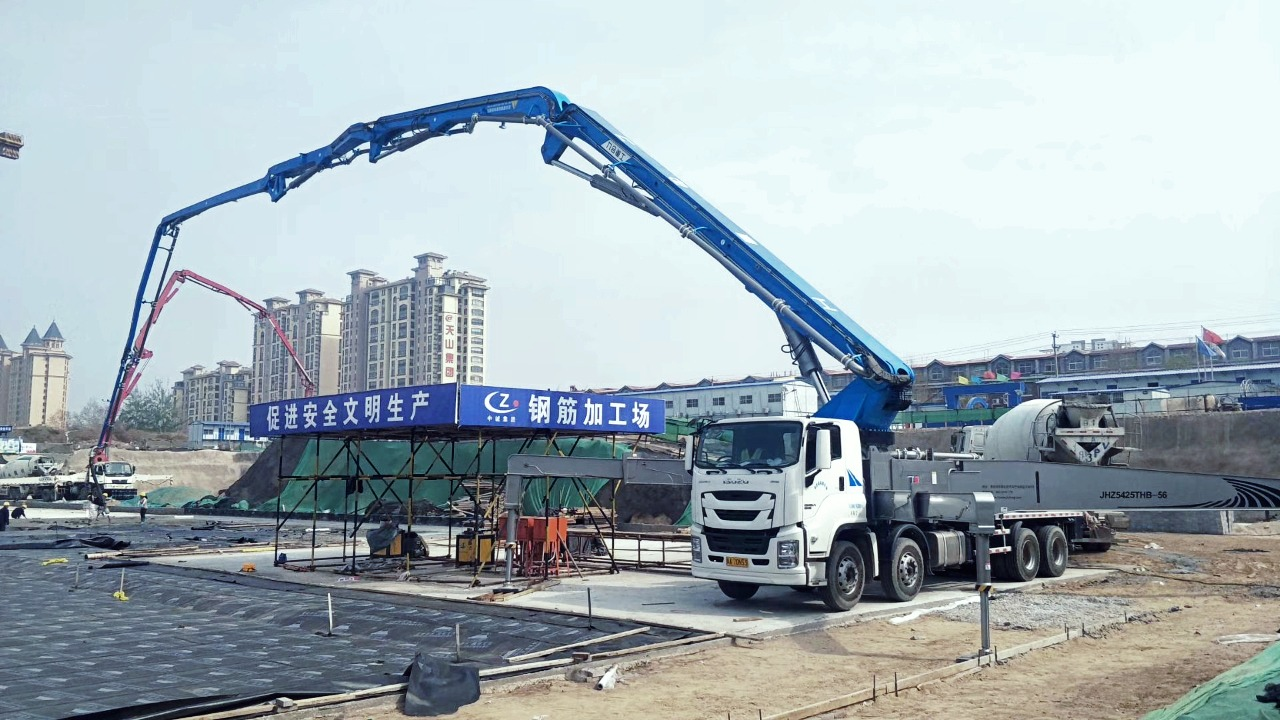
The concrete pump truck must be placed on a flat and solid ground surface. The surrounding area must be free of obstacles. After extending the outriggers and adjusting the machine, ensure the chassis remains level and stable. The tires shall be properly chocked. When operating near excavations, a safe distance must be maintained from the edge of the pit.
2. Pipeline Installation Requirements
The laying of pumping pipelines shall meet the following requirements:
a. Horizontal pipelines should be installed in a straight line as far as possible.
b. Vertical pipelines must not be directly connected to the pump outlet. A horizontal pipeline of at least 20 m must be installed at the front of the vertical pipe, and a check valve shall be installed near the pump end of the horizontal section.
c. When installing downward-sloping pipelines, a horizontal section shall be installed at the outlet. Its length should be at least 5 times the vertical drop height. Otherwise, bends should be used to increase resistance. When the slope is steep, an air release valve must be installed at the upper end.
d. Pipelines must be properly supported and fixed. Wooden pads should be placed between the pipe and supports for cushioning. Direct contact with reinforcement bars or formwork is prohibited. All pipe joints must be securely fastened and sealed to prevent slurry leakage. Worn pipes must not be used in high-pressure sections.
e. After installation, the pipeline must undergo a pressure resistance test.
3. Material and Pre-Operation Inspection
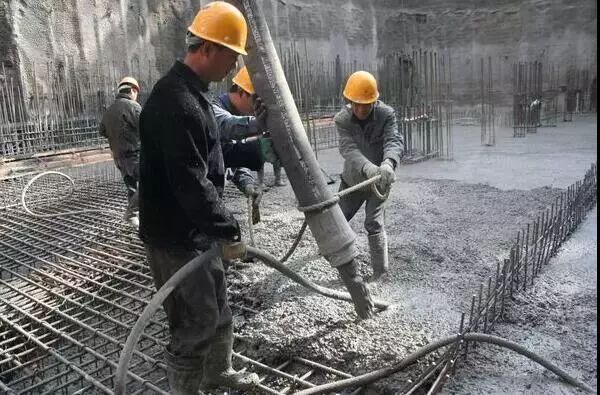
Sand, aggregate size, cement grade, and mix proportions must comply with design requirements and ensure pumpability.
Before operation, confirm that:
All bolts are tightened
Safety devices are complete and reliable
Control switches, levers, handles, and valves are in correct positions
Hydraulic system is leak-free and hydraulic oil is within specification
No debris exists in the hopper
Protective grid is intact and properly secured
Cooling water system is normal and water tank is full
All lubrication points are adequately lubricated
4. Pipeline Condition and Environmental Protection
Pipeline wall thickness must match pumping pressure. High-quality pipes should be used near the pump outlet.
All joints, seals, and elbows must be in good condition.
In hot weather, pipelines should be covered with wet sacks or straw bags and cooled with water regularly.
In cold weather, insulation measures must be applied.
5. Auxiliary Equipment and Safety Zone
Cleaning pipes, cleaning tools, catcher devices, and related equipment must be prepared in advance. Unauthorized personnel must stay away from the pipeline area.
6. Startup and Priming Procedure
After startup, operate the pump under no-load conditions first. Check all instrument readings and system performance.
Before pumping, add:
10 L of clean water
0.3 m³ of cement mortar
This is used to lubricate the pump and pipelines.
7. Hopper Operation Control
During operation:
Concrete level in the hopper must remain above the mixing shaft axis
The hopper grid must not be fully covered
Feeding flow must be controlled
Oversized aggregates and foreign materials must be removed immediately
The grid must not be moved during operation
8. Material Quality Control
If segregation occurs in the concrete, stop pumping and remix.
If aggregate separation is severe or mortar is insufficient, remove part of the aggregate and add mortar for re-mixing before continuing.
9. Continuous Pumping Requirement
Concrete pumping must be continuous.
If supply interruption occurs:
Stop time must not exceed 30 minutes
During stoppage, perform reverse–forward pumping every 5–10 minutes (3–5 minutes in winter)
Before restarting, remix the material in the hopper
If downtime exceeds the limit, the pipeline must be emptied
10. Vertical Pumping Restart Safety
After interruption in vertical pumping:
Reverse pump first to draw concrete back into the hopper, mix it, and then resume forward pumping.
11. Personal Safety Restrictions
Never insert hands or tools into the hopper or reach into the distribution valve while operating.
Any maintenance work must be performed only after shutting down the motor and releasing accumulator pressure.
12. Hydraulic System Control
Do not adjust hydraulic pressure arbitrarily.
If oil temperature exceeds 70°C, stop pumping immediately, but keep the mixer and cooling fan running until the system cools down.
13. Water System Maintenance
The water tank must always be filled with clean water.
If water becomes turbid or contains excessive sand, inspect and clean the system immediately.
14. Operational Restrictions
During pumping:
Do not open any pipeline or hydraulic components
Do not perform repairs or adjustments on running equipment
15. Equipment Monitoring and Maintenance
Continuously inspect equipment and pipelines.
Replace worn pipes, clamps, and sealing rings promptly to prevent hazards.
16. Anti-Clogging Requirements
Prevent pipeline blockage by ensuring:
Uniform concrete mixing
Proper slump control
No interruption during pumping
17. System Monitoring
Monitor instruments and indicator lights at all times.
If abnormalities occur, take immediate corrective action.
18. Blockage Handling Procedure
If blockage occurs:
Perform reverse pumping to return concrete to the hopper
If blockage persists, stop and disassemble the pipeline under unloaded conditions
19. Cleaning After Operation
After completion:
Fully discharge concrete from hopper and pipeline
Clean system thoroughly
When using compressed air:
Do not fully open the air valve immediately
Increase pressure gradually
Ensure no personnel are within 10 m of the outlet
Use a metal mesh basket to collect discharged cleaning balls and debris
Hardened concrete must be removed manually with scrapers
20. Shutdown and Maintenance
After operation:
Move pistons to the cleaning position and apply lubricant
Reset all control levers, switches, and valves
Release hydraulic system pressure completely